Power Your Home with a 5kVA Solar System
A 5kVA solar system is the ideal solution for powering essential home appliances such as lights, TVs, refrigerators, Wi-Fi routers, and small kitchen devices. Designed for reliability and efficiency, this system provides a dependable source of energy for daily use—especially during load shedding or grid outages. Whether you’re looking to reduce electricity costs or ensure uninterrupted power, the 5kVA setup offers the perfect balance of performance and affordability for modern households.

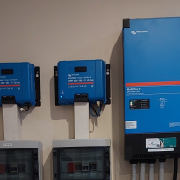
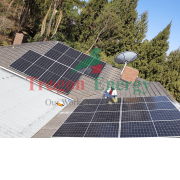
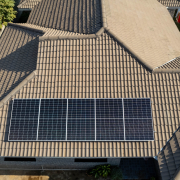
One of our recent installations in Madokero is a perfect example. Frustrated by the long and unpredictable hours of load-shedding, our client decided it was time to gain energy independence. We installed a 5kVA Palitron inverter, a US3000C Pylontech lithium battery, and five 480W solar panels.

The system now powers the entire home — from lighting and appliances to the borehole — with limited ironing done during the day. It’s a complete shift from relying on the grid to enjoying stable, clean energy every day.

Ready to gain energy independence?
If you’re tired of power interruptions and want to enjoy the benefits of solar energy, contact us today to learn more about how a 5kVA solar system can transform your home. Let’s work together to make your energy future brighter!

Contact our team and schedule for consultation.

5kva Solar System for Basic Home use

What Are Solar Inverters and How Do They Work?

Solar inverters are an essential part of any solar energy system. Their primary role is to convert the direct current (DC) power produced by solar panels into alternating current (AC) power, which is what most homes and businesses use. Without an inverter, the energy generated by solar panels would be unusable in standard electrical appliances.

In addition to converting power, solar inverters manage energy flow, ensuring maximum efficiency by optimizing the energy produced. They also come with monitoring capabilities, which allow users to track the performance of their system, ensuring everything is working as it should.

When selecting a solar inverter, choosing the right brand and model is crucial to maximizing your system’s efficiency, reliability, and long-term savings. At Trogon Energy, we offer a range of high-quality solar inverters from top brands like Sunsynk and Victron Energy. These are transformer-based inverters, making them more durable and backed by a 5-year warranty. On the other hand, Palitron and Kodak inverters are not transformer-based; they use integrated circuits for power switching and come with a 1-year warranty, ensuring you get the best solution for your energy needs.

Sunsynk Inverters

Advantages & Features: Sunsynk inverters are hybrid systems, meaning they integrate both grid power and energy storage. This makes them perfect for off-grid or grid-tied systems where storing excess energy is important. Sunsynk inverters come with advanced energy management systems, providing users full control over battery charging and energy flow. With easy installation, Sunsynk offers reliable performance and longevity.

Victron Energy Inverters

Advantages & Features: Victron Energy inverters are known for their reliability, particularly in off-grid systems. They use “Blue Power” technology, ensuring that users get the most efficient power conversion. With scalability for different system sizes, these inverters are perfect for residential or commercial setups. Victron also provides advanced monitoring features, and their inverters typically come with a 5-year warranty, ensuring long-lasting support and performance.

Palitron Inverters

Advantages & Features: Palitron inverters are highly durable and designed to work in extreme conditions, making them suitable for both residential and commercial applications. Their high-efficiency models are compact, which is ideal for those with limited space. These inverters are easy to install, with options for extended coverage.

Kodak Solar Inverters

Advantages & Features: Kodak solar inverters offer advanced features tailored to both residential and commercial applications. These inverters are compatible with battery storage systems, allowing users to store excess energy for later use. Kodak’s energy management system ensures automatic switching between grid and battery power, optimizing energy use.

At Trogon Energy, we not only provide a selection of these top-tier solar inverters but also guide you through the process of selecting the right one for your needs. Our expert team conducts site assessments to evaluate your energy requirements, ensuring you make the most informed decision. We also handle the installation, ensuring your solar inverter is set up for optimal performance. With the support of our experienced technicians, you can be confident that your solar energy system will operate efficiently for years to come.

Why Your  Solar Batteries Drain Power Quickly?

Solar batteries are a critical component of solar energy systems, storing energy generated by solar panels for use when sunlight is unavailable. However, one common issue faced by solar battery users is rapid power drain. This article explores the reasons behind this phenomenon and offers tips to improve battery performance and longevity.

1. Poor Battery Quality

Not all solar batteries are created equal. Low-quality batteries may have inferior materials or construction, leading to reduced capacity and faster discharge rates. Investing in high-quality batteries, such as lithium-ion, or can significantly improve performance and lifespan. Examples of high quality batteries include Freedomwon, Pylontech, and BYD.

2. High Energy Demand

If your solar battery system is undersized for your energy needs, the battery will drain quickly. Devices like air conditioners, heaters, and high-wattage appliances can consume a large portion of stored energy in a short time. Conducting an energy audit can help determine if your battery bank matches your consumption patterns.

3. Parasitic Loads

Parasitic loads refer to devices or systems that draw small amounts of power continuously, even when they appear to be off. Examples include standby electronics, security systems, and inverter idle power. Over time, these loads can deplete your battery faster than expected.

4. Inefficient Charging

A solar battery that is not fully charged will drain faster. This can occur due to insufficient sunlight, shading on solar panels, or an underperforming solar charge controller. Ensure that your solar panels and charge controller are functioning optimally to maximize charging efficiency.

5. Temperature Extremes

Solar batteries are sensitive to temperature. Extreme heat can accelerate chemical reactions inside the battery, leading to faster discharge, while extreme cold can reduce the battery’s capacity. Installing batteries in a temperature-controlled environment or using thermal insulation can mitigate this issue.

6. Battery Aging

All batteries degrade over time. As a solar battery ages, its ability to hold a charge diminishes, resulting in quicker power drain. Regular maintenance and timely replacement are crucial to maintaining an efficient solar energy system.

7. Incorrect System Configuration

Improper system design or configuration can also lead to rapid power loss. For example, mismatched solar panels, incorrect inverter settings, or improper wiring can reduce overall system efficiency. Consulting with a solar energy professional can help ensure your system is set up correctly.

8. Overcharging or Deep Discharging

Overcharging and deep discharging are harmful to solar batteries. Overcharging can lead to overheating and reduced lifespan, while deep discharging (using too much of the battery’s stored energy) can cause permanent damage. A high-quality charge controller can protect your batteries from these issues by regulating charge and discharge levels.

By understanding the factors that contribute to rapid solar battery drain, you can take proactive steps to optimize your solar energy system. With proper care and planning, solar batteries can provide reliable, long-lasting energy storage for your home or business.

Why Choose Trogon Energy for Your Solar Needs?

Trogon Energy specializes in high-quality solar energy solutions designed to meet your unique energy demands. Whether you need advanced lithium-ion batteries, efficient solar charge controllers, or a complete solar energy system, Trogon Energy delivers reliable, cost-effective, and sustainable solutions. Our team of experts ensures proper system configuration, regular maintenance, and exceptional customer support to maximize your solar investment.

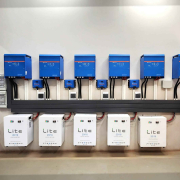
3*US3000C Pylontech battery bank

2*Freedomwon E-Tower battery bank

Solar energy is a reliable and eco-friendly solution to meet your energy needs while reducing electricity bills. However, choosing the right solar system can be a daunting task with so many options available. Here are some essential tips to guide you in selecting the perfect solar system for your needs:

1. Assess Your Energy Needs

Start by understanding your household or business energy consumption. Review your electricity bills to determine your average monthly usage in kilowatt-hours (kWh). This helps you identify the size of the solar system you need to generate sufficient power.

2. Understand Different Types of Solar Systems

There are three main types of solar systems:

  • Grid-Tied Systems: Connected to the power grid, allowing you to use solar energy during the day and grid electricity at night. Excess energy is sent back to the grid, often earning you credits.
  • Off-Grid Systems: Independent from the grid, these systems require batteries to store energy for use during nighttime or cloudy days. Ideal for remote locations.
  • Hybrid Systems: Combine grid-tied and off-grid features, offering battery storage and grid connectivity for enhanced flexibility. Choose the type that aligns with your energy needs and budget.

3. Evaluate Solar Panel Efficiency and Quality

Solar panels differ in efficiency and quality. Look for:

  • Efficiency Ratings: Higher efficiency panels convert more sunlight into electricity.
  • Durability: Panels should withstand harsh weather conditions.
  • Warranties: Choose panels with long warranties (typically 25 years). Research reputable brands and consult professionals for recommendations.

4. Consider Inverter Options

The inverter converts solar energy into usable electricity. Types include:

  • String Inverters: Cost-effective and suitable for simpler installations.
  • Microinverters: Offer individual panel optimization, maximizing efficiency.
  • Hybrid Inverters: Compatible with battery systems for future scalability. Pick an inverter that matches your system type and energy requirements.

5. Check Installation Space

Evaluate the available roof or ground space for solar panel installation. Ensure it receives ample sunlight throughout the day. Consider factors such as shading from trees or buildings, roof angle, and structural integrity.

6. Choose a Reputable Solar Provider

Select an experienced solar company with:

  • Positive customer reviews
  • Transparent pricing
  • Comprehensive after-sales support Ask for a site inspection and detailed quote to ensure clarity.

At Trogon Energy, we offer professional site assessments to help determine the best solar solution for your specific needs. Our experts evaluate your energy consumption, available space, and budget to provide customized recommendations.

7. Plan for Future Expansion

If you anticipate increased energy needs, consider a system that allows easy upgrades. Discuss scalability options with your solar provider.

8. Understand Maintenance Requirements

Solar systems require minimal maintenance but occasional cleaning and inspection ensure optimal performance. Confirm maintenance services and costs with your provider.

9. Monitor System Performance

Opt for systems with monitoring tools to track energy production and consumption. This helps identify issues and maximize efficiency.

Choosing the right solar system is a significant investment that requires careful consideration. By assessing your energy needs, understanding system types, and working with a reliable provider, you can enjoy the benefits of solar energy for years to come. Take the first step toward a sustainable future by exploring your solar options today! Trogon Energy is here to guide you every step of the way, starting with a detailed site assessment tailored to your unique needs.

Maximizing Sunlight Exposure for Optimal Performance

Switching to solar power is a great way to cut electricity costs, reduce reliance on the national grid, and contribute to a sustainable future in Zimbabwe. However, for solar panels to produce the most energy, they need to be carefully placed to capture maximum sunlight. This guide from explains how to position your solar panels effectively, taking into account the unique climate and conditions in Zimbabwe.

1.Why Sunlight Exposure Matters
The more sunlight your solar panels capture, the more energy they produce, which leads to:

  • Higher Energy Output: Direct sunlight for the longest possible hours means you get more power from your panels.
  • Cost Savings: With more energy from your panels, your savings on power costs increase, especially during sunny seasons.
  • Long-Term Benefits: Effective placement ensures that your solar system provides the best performance for years, maximizing your investment.

2.Orientation: Choosing the Right Direction
The direction your solar panels face is crucial for capturing sunlight:

  • North-Facing Panels: Since Zimbabwe is in the Southern Hemisphere, panels should face north to capture the most sunlight during the day.
  • East and West Positions: East-facing panels will catch the morning sun, while west-facing ones capture afternoon sun. However, they generally receive less overall sunlight compared to a north-facing setup.

3.Tilt Angle: Setting the Right Angle for Zimbabwe’s Latitude
The tilt of your solar panels affects how much sunlight they get over the year. Here’s how to approach it:

  • Latitude-Based Tilt: Zimbabwe’s latitude is about 20 degrees south, so a tilt angle of around 20 degrees can be ideal for fixed panels, ensuring good sunlight exposure throughout the year. The 20-degree tilt angle is a general guideline and may vary depending on the specific location within Zimbabwe.
  • Seasonal Adjustments: Zimbabwe experiences sunny winters and wet summers. Adjusting the angle a bit for each season can be helpful, but for most installations, a fixed angle works just fine.
  • Steeper Tilt for Rain Runoff: A slightly steeper angle can help rain wash off dust, dirt, and leaves, which is especially useful during the rainy season. However, the effectiveness of rain in cleaning solar panels depends on several factors like the intensity and duration of rain. and the type of dirt accumulated on the panels.

4.Location: Choosing the Best Spot for Panels on Your Property
The location you choose for solar panels matters as much as the angle. Here’s what to keep in mind:

  • Avoid Shading: Ensure that trees, nearby buildings, or other obstacles don’t cast shadows over the panels, especially during peak sunlight hours (10 a.m. to 4 p.m.). Even partial shading can reduce solar panel efficiency by up to 30%, making it crucial to carefully select a location with minimal obstructions
  • Roof Suitability: If you have a roof with a north-facing slope, this can be ideal for panel installation. However, flat roofs also work well, as panels can be mounted on angled racks.
  • Ground Mounting: If roof space isn’t suitable or available, consider ground-mounted panels, which allow flexibility in placement but require open space to avoid shading.

5.Advanced Tracking Systems
Solar tracking systems, which move to follow the sun, can improve energy production, though they are often more practical for larger setups:

  • Single-Axis Trackers: These trackers allow panels to follow the sun from east to west, potentially increasing energy capture by about 20%.
  • Dual-Axis Trackers: These systems track both daily and seasonal sun movement for even higher energy capture but are typically suited for larger commercial installations due to their cost.

6.Considering Zimbabwe’s Climate and Environment
Local weather patterns and environmental factors can affect solar panel performance in Zimbabwe:

  • Heat Management: Zimbabwe’s hot climate can slightly reduce solar panel efficiency. Raising panels off the surface to allow airflow underneath can help keep them cooler.
  • Dust, Rain, and Leaves: During dry seasons, dust can build up on panels, while rain in the wet season can help wash it away. Placing panels in easily accessible areas can make maintenance easier.
  • Rainy vs. Sunny Seasons: In the rainy season, solar systems should still be positioned to capture the most sunlight when available. Planning for seasonal variability ensures the best year-round performance.
    Why work with Professionals?
  • Solar panel placement can be complex, so consulting professionals like Trogon Energy ensures you get the best results:
  • Detailed Site Assessment– Trogon Energy’s experts conduct thorough site assessments to identify optimal locations and orientations for your panels, ensuring maximum output.
  • Custom SolutionsOur team designs solutions tailored to your specific location, climate, and energy needs, using industry-leading techniques.
  • Maintenance and Support– We’ll provide guidance on keeping your system in top shape, with tips for cleaning and maintaining panels so they keep performing at their best.

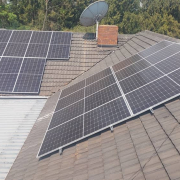
Tilted solar panels

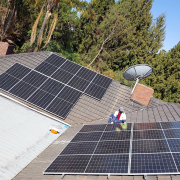
Our team cleaning solar panels

Introduction to Solar Savings

Solar energy offers an exceptional return on investment for homeowners, businesses, and institutions alike. Beyond its environmental benefits, solar energy provides a financial solution that grows more appealing each year. At Trogon Energy, we believe in empowering customers with the knowledge and tools to make informed energy decisions. By going solar, you’re not only protecting the environment but also creating significant long-term savings. Here’s a step-by-step guide on how to calculate these potential savings to help you evaluate if solar is the right choice.

Understanding Solar Savings Components

  Solar savings are influenced by several key factors, which are important to consider for an accurate calculation. Here’s a breakdown:

  i) Upfront Costs: This includes the cost of solar panels, inverters, batteries (if opting for a storage solution), and installation. While solar systems have a significant upfront cost, they provide financial payback over time. Trogon Energy provides detailed, transparent pricing to help you understand exactly what you’re investing in.

   ii) Maintenance Costs: Solar systems typically require minimal maintenance, mostly cleaning and periodic checks. Since panels generally have a lifespan of 25 years or more, maintenance costs are minor compared to traditional energy sources.

   iii)  Reliability Amid Power Shortages: Zimbabwe faces frequent power cuts and load-shedding. Investing in solar offers reliable access to electricity, allowing households and businesses to avoid disruptions and improve productivity. Solar systems with battery backups are particularly valuable in this regard.

Key Factors Influencing Savings

   The following factors impact the total savings you can expect from solar:

  • Electricity Rates and Inflation: As utility rates increase, so does the value of generating your own energy. Solar allows you to “lock in” energy costs and avoid future price hikes, making your investment more valuable over time.
  • System Size: Savings are directly proportional to the system size, so larger systems that meet most or all of a building’s energy needs will provide greater savings. Our experts at Trogon Energy help determine the right system size based on your energy use and property constraints.
  • Sunlight Exposure and Location: Solar panels perform best with direct sunlight, which is affected by factors like geographic location, roof orientation, and shading. We conduct an on-site analysis to ensure your system is optimized for maximum sunlight exposure.
  • Net Metering or Grid Interactions: Net metering programs allow solar users to receive credits for excess energy sent to the grid, which can further boost savings by offsetting energy costs. If net metering is available in your area, it’s an excellent way to increase the financial return on your solar investment

How to Calculate Savings in Four Steps

   Calculating your potential solar savings involves comparing your current energy costs with estimated solar production and costs. Here’s how to do it in four steps:

Step 1: Determine Current Energy Usage

     Start by reviewing your electricity bills over the past year to find your average monthly or yearly energy consumption in kilowatt-hours (kWh). Knowing this figure is essential to sizing a solar system that matches your needs.

Step 2: Estimate Solar Production for Your Location

     Trogon Energy uses sophisticated tools, such as PV Watts or in-house solar calculators, to estimate how much energy a solar system would generate based on your location and available sunlight. For example, in sunnier regions, a 5kW system may produce an average of 6,000 kWh per year, offsetting a significant portion of your annual energy costs.

Step 3: Compare Monthly/Yearly Solar Production with Energy Needs

     Once you know how much your system can produce, compare it with your current energy consumption. If your system covers 80% of your annual usage, you’ll be able to cut your electricity bill proportionally.

Step 4: Calculate Payback Period

     The payback period is when the initial investment has been covered by savings. To find this, divide the system’s total cost by your yearly savings. For example, if your solar installation costs $10,000 and you save $1,500 per year, your payback period will be approximately 6.7 years. Once past this period, your savings are “pure profit,” and the system will continue to provide free energy for many years.

Case Study Example: Small Commercial Installation

This example demonstrates the benefits of a smaller solar system designed for a business with high energy consumption during daylight hours. Here’s a breakdown of the system and savings:

  • System Cost: $6,000 for a 3kVA system
  • Estimated Annual Production: 4,500 kWh
  • Annual Savings: $1,400 in electricity bills
  • Payback Period: 4.3 years (after which the system will provide energy at no additional cost)

In this scenario, the business benefits from a short payback period of just over four years. With reduced reliance on the grid and increased energy independence, this system continues providing value well beyond the initial payback period.

Additional Benefits of Solar Beyond Savings

Increase in Property Value: Properties with solar installations are valued higher, as buyers are increasingly interested in energy-efficient homes and reduced utility bills.

   –Energy Independence: By generating your own power, you’re less reliant on the grid, which is particularly advantageous in areas prone to load-shedding or frequent blackouts.

   – Environmental Impact: Solar energy is a clean, renewable resource, and by adopting solar, you’re contributing to a reduction in carbon emissions and supporting a healthier planet.

How Trogon Energy Supports Customers in Maximizing Savings

Trogon Energy offers expert consultation, customized installation plans, and ongoing support to ensure your solar investment is optimized for maximum savings. From project planning to execution and beyond, we guide our customers every step of the way. By choosing Trogon Energy, you’re choosing a partner dedicated to your financial and environmental well-being.

 

In an era where renewable energy is crucial for a sustainable future, solar energy stands out as a powerful solution. At Trogon Energy, we recognize the importance of educating our community about the technology behind solar panels and the benefits they offer. This guide will explore how solar panels work and why investing in solar energy is a smart choice for homeowners.

Solar panels are sophisticated devices designed to capture sunlight and convert it into usable electricity. They consist of solar cells made primarily of silicon, which absorb sunlight and generate electricity. There are two main types of solar panels:

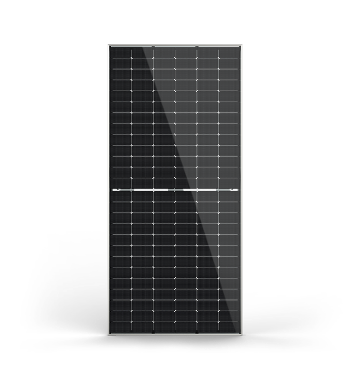
Monocrystalline Panels

  1. Monocrystalline Panels: These panels are made from high-purity silicon and are known for their efficiency and longevity. They have a sleek appearance and are ideal for residential installations where space is limited.

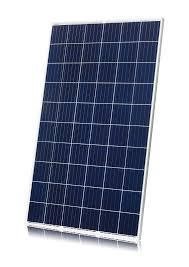
Polycrystalline Panels

2. Polycrystalline Panels: Constructed from multiple silicon crystals, these panels are generally less expensive but slightly less efficient. They are a great option for those seeking cost-effective solar solutions.

C

AspectMonocrystalline Solar PanelsPolycrystalline Solar Panels
AppearanceTypically Black with uniform lookBlueish with a speckled texture
EfficiencyHigher efficiency (up to 21.3%)Lower efficiency (up to 19.1%)
Space EfficiencyIdeal for limited spaceRequires more space to generate  same power
PerformanceBetter performance in low light conditionsLess effective in low light

The Solar Energy Conversion Process

Understanding how solar panels work involves looking at the process of converting sunlight into electricity:

1. Sunlight Absorption: Solar cells absorb sunlight and energize the electrons in the silicon. This creates a flow of direct current (DC) electricity.

2. Inversion: The DC electricity generated is then sent to an inverter, which converts it into alternating current (AC) electricity, the form used in homes and businesses.

3. Usage and Storage: The AC electricity can be used immediately to power your home. If there’s excess energy, it can be stored in batteries for later use or fed back into the electrical grid, allowing homeowners to benefit from net metering.

Understanding Net Metering and ZETDC’s Role

A critical aspect of maximizing the benefits of solar energy is net metering, a system that allows homeowners to not only generate their own electricity but also feed any surplus back into the national grid. This program is supported by the Zimbabwe Electricity Transmission and Distribution Company (ZETDC) and offers an additional financial incentive for solar adopters.

Here’s how net metering works:

  • Bi-Directional Metering: ZETDC installs a bi-directional meter at the home, which measures both the electricity consumed from the grid and the excess electricity fed back into it. This means that homeowners are only billed for their “net” energy use—what they consume from the grid minus what they contribute.
  • Credits for Excess Energy: If your solar system generates more electricity than you use, the surplus is sent to the grid, and you receive credits that can be applied to future electricity bills. This ensures that no energy goes to waste and you benefit from all the power your system generates.
  • Eligibility and Application: To participate in ZETDC’s net metering program, homeowners must apply for approval. The program is designed for solar systems that meet certain safety and capacity requirements, typically sized to match the customer’s consumption rather than large-scale energy production.

At Trogon Energy, we guide our clients through the entire process of setting up a solar system, including assistance with net metering applications. We ensure that your system complies with ZETDC regulations and that you get the most out of the energy you produce.

Why Choose Solar Energy?

There are many advantages of solar energy, including:

– Financial Savings: By installing solar panels, homeowners can significantly lower their electricity bills and even earn credits from surplus energy fed back to the grid.

Sustainability: Solar energy is a clean and renewable resource that reduces dependence on fossil fuels, helping to combat climate change.

Increased Property Value: Homes equipped with solar energy systems often have higher property values and can be more attractive to potential buyers.

Trogon Energy’s Expertise in Solar Solutions

 We are committed to providing high-quality solar solutions tailored to our clients’ needs. Our services include:

Comprehensive Consultation: We assess your energy needs and recommend the best solar solutions for your home, ensuring maximum efficiency and savings.

Professional Installation: Our experienced team handles the entire installation process with precision and care, ensuring that your solar panels are set up for optimal performance.

Maintenance and Support: We provide ongoing support and maintenance services to keep your solar system running smoothly, ensuring that you get the most out of your investment.

Conclusion

Solar panels are not just a trend; they represent a significant advancement in how we harness energy. By choosing solar, homeowners can reduce their environmental impact while enjoying substantial financial benefits. At Trogon Energy, we are passionate about guiding you on your solar journey, from understanding how solar panels work to ensuring your system operates efficiently for years to come.

Ready to explore solar energy for your home? Contact Trogon Energy today for a consultation and take the first step toward a brighter, more sustainable future!

As Zimbabwe faces increasing electricity shortages and rising utility costs, solar energy is emerging as a practical and sustainable solution for homeowners. With abundant sunlight year-round, Zimbabwe offers an ideal environment for solar power adoption. Here’s why switching to solar energy can be highly advantageous for Zimbabwean households:

Zimbabwe has experienced frequent load shedding due to power shortages, leaving many households without electricity for hours or even days. By investing in solar energy, homeowners can achieve a more reliable and consistent power supply, reducing their dependence on the national grid. A solar system with battery storage allows homes to store excess energy during the day and use it during periods of load shedding, providing uninterrupted power.

Electricity prices in Zimbabwe are volatile and often on the rise, partly due to economic factors and the country’s reliance on imported power. Solar panels provide a way for households to mitigate these rising costs by generating their own energy. Homeowners can dramatically reduce their electricity bills, or even eliminate them, depending on their energy needs and the size of their solar installation.

Switching to solar energy is a powerful step toward reducing your carbon footprint. Zimbabwe is vulnerable to climate change impacts, such as droughts and erratic rainfall patterns. By opting for solar, homeowners contribute to the reduction of greenhouse gases, promoting a healthier environment for future generation. Solar power is a clean, renewable energy source that doesn’t rely on water resources or emit greenhouse gases, making it a crucial tool in combating climate change and building climate resilience.

Homes with solar installations are increasingly seen as valuable assets in Zimbabwe’s real estate market. As energy security becomes more critical, properties equipped with solar panels stand out to buyers looking for long-term savings and energy independence. Investing in solar can increase the attractiveness and value of a home when it comes time to sell.

The growth of the solar industry in Zimbabwe is contributing to job creation, particularly in the installation, maintenance, and manufacturing sectors. By adopting solar energy, homeowners indirectly support the local economy and foster the growth of a new renewable energy sector that has the potential to transform the country’s energy landscape.

Solar panels have a long lifespan, typically ranging from 25 to 30 years. Once installed, they require minimal maintenance to function effectively. With just occasional cleaning and inspections, solar panels will continue to generate energy for decades, providing long-term savings. Additionally, most solar panel systems come with warranties, ensuring peace of mind for homeowners.

Solar energy presents a unique opportunity for Zimbabwean homeowners to address both economic and environmental challenges. From reducing the effects of load shedding to taking advantage of government incentives, solar power offers a reliable, cost-effective, and sustainable solution for residential properties.

At Trogon Energy, we understand the specific energy needs of Zimbabwean homes and are committed to providing top-quality solar solutions that help you take full advantage of Zimbabwe’s abundant sunshine. With our expertise and range of customizable solar systems, homeowners can enjoy long-term savings, energy independence, and peace of mind knowing they are investing in a sustainable future. Take the first step toward a brighter, solar-powered future today with Trogon Energy—your trusted partner in renewable energy.