
Tips for Choosing the Right Solar System
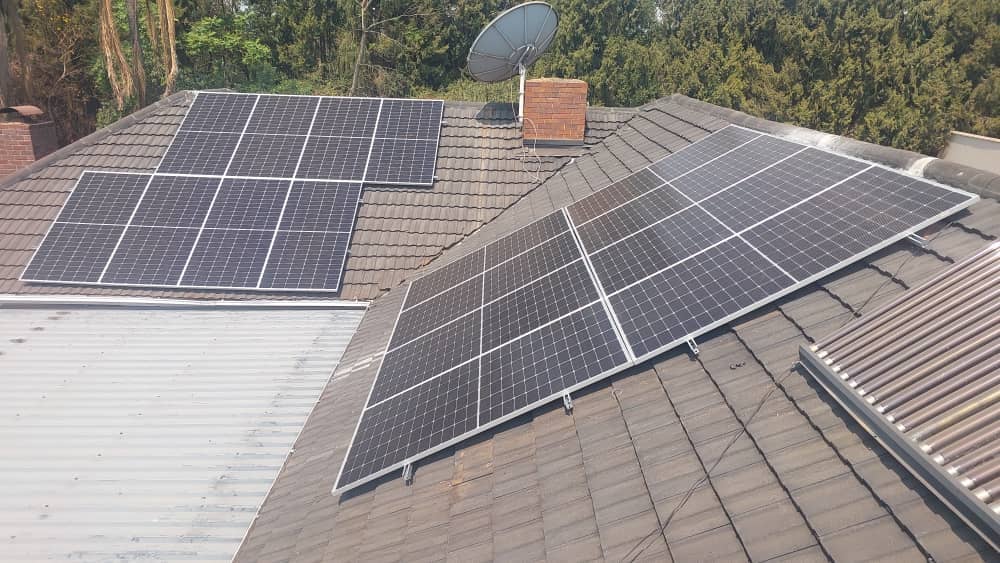
Solar energy is a reliable and eco-friendly solution to meet your energy needs while reducing electricity bills. However, choosing the right solar system can be a daunting task with so many options available. Here are some essential tips to guide you in selecting the perfect solar system for your needs:
1. Assess Your Energy Needs
Start by understanding your household or business energy consumption. Review your electricity bills to determine your average monthly usage in kilowatt-hours (kWh). This helps you identify the size of the solar system you need to generate sufficient power.
2. Understand Different Types of Solar Systems
There are three main types of solar systems:
- Grid-Tied Systems: Connected to the power grid, allowing you to use solar energy during the day and grid electricity at night. Excess energy is sent back to the grid, often earning you credits.
- Off-Grid Systems: Independent from the grid, these systems require batteries to store energy for use during nighttime or cloudy days. Ideal for remote locations.
- Hybrid Systems: Combine grid-tied and off-grid features, offering battery storage and grid connectivity for enhanced flexibility. Choose the type that aligns with your energy needs and budget.
3. Evaluate Solar Panel Efficiency and Quality
Solar panels differ in efficiency and quality. Look for:
- Efficiency Ratings: Higher efficiency panels convert more sunlight into electricity.
- Durability: Panels should withstand harsh weather conditions.
- Warranties: Choose panels with long warranties (typically 25 years). Research reputable brands and consult professionals for recommendations.
4. Consider Inverter Options
The inverter converts solar energy into usable electricity. Types include:
- String Inverters: Cost-effective and suitable for simpler installations.
- Microinverters: Offer individual panel optimization, maximizing efficiency.
- Hybrid Inverters: Compatible with battery systems for future scalability. Pick an inverter that matches your system type and energy requirements.
5. Check Installation Space
Evaluate the available roof or ground space for solar panel installation. Ensure it receives ample sunlight throughout the day. Consider factors such as shading from trees or buildings, roof angle, and structural integrity.
6. Choose a Reputable Solar Provider
Select an experienced solar company with:
- Positive customer reviews
- Transparent pricing
- Comprehensive after-sales support Ask for a site inspection and detailed quote to ensure clarity.
At Trogon Energy, we offer professional site assessments to help determine the best solar solution for your specific needs. Our experts evaluate your energy consumption, available space, and budget to provide customized recommendations.
7. Plan for Future Expansion
If you anticipate increased energy needs, consider a system that allows easy upgrades. Discuss scalability options with your solar provider.
8. Understand Maintenance Requirements
Solar systems require minimal maintenance but occasional cleaning and inspection ensure optimal performance. Confirm maintenance services and costs with your provider.
9. Monitor System Performance
Opt for systems with monitoring tools to track energy production and consumption. This helps identify issues and maximize efficiency.
Choosing the right solar system is a significant investment that requires careful consideration. By assessing your energy needs, understanding system types, and working with a reliable provider, you can enjoy the benefits of solar energy for years to come. Take the first step toward a sustainable future by exploring your solar options today! Trogon Energy is here to guide you every step of the way, starting with a detailed site assessment tailored to your unique needs.

