
Understanding How Solar Panels Work: A Comprehensive Guide
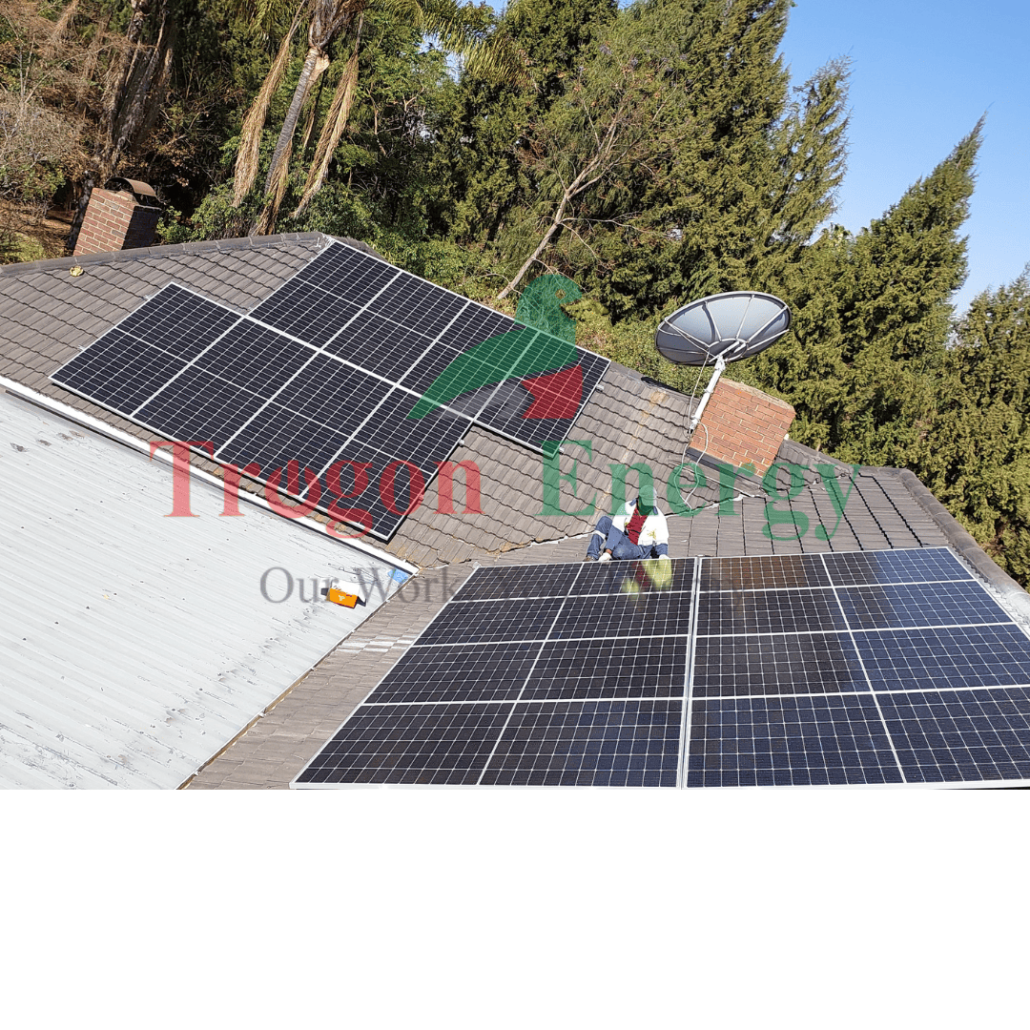
In an era where renewable energy is crucial for a sustainable future, solar energy stands out as a powerful solution. At Trogon Energy, we recognize the importance of educating our community about the technology behind solar panels and the benefits they offer. This guide will explore how solar panels work and why investing in solar energy is a smart choice for homeowners.
What Are Solar Panels?
Solar panels are sophisticated devices designed to capture sunlight and convert it into usable electricity. They consist of solar cells made primarily of silicon, which absorb sunlight and generate electricity. There are two main types of solar panels:
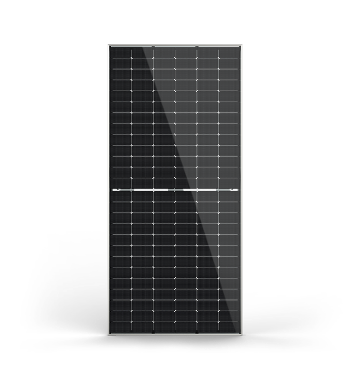
1. Monocrystalline Panels: These panels are made from high-purity silicon and are known for their efficiency and longevity. They have a sleek appearance and are ideal for residential installations where space is limited.
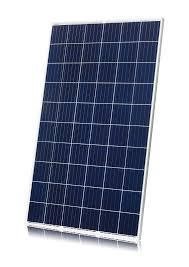
2. Polycrystalline Panels: Constructed from multiple silicon crystals, these panels are generally less expensive but slightly less efficient. They are a great option for those seeking cost-effective solar solutions.
C
Comparing Monocrystalline and Polycrystalline (55OW Jinko) Solar Panels.
| Aspect | Monocrystalline Solar Panels | Polycrystalline Solar Panels |
| Appearance | Typically Black with uniform look | Blueish with a speckled texture |
| Efficiency | Higher efficiency (up to 21.3%) | Lower efficiency (up to 19.1%) |
| Space Efficiency | Ideal for limited space | Requires more space to generate same power |
| Performance | Better performance in low light conditions | Less effective in low light |
The Solar Energy Conversion Process
Understanding how solar panels work involves looking at the process of converting sunlight into electricity:
1. Sunlight Absorption: Solar cells absorb sunlight and energize the electrons in the silicon. This creates a flow of direct current (DC) electricity.
2. Inversion: The DC electricity generated is then sent to an inverter, which converts it into alternating current (AC) electricity, the form used in homes and businesses.
3. Usage and Storage: The AC electricity can be used immediately to power your home. If there’s excess energy, it can be stored in batteries for later use or fed back into the electrical grid, allowing homeowners to benefit from net metering.
Understanding Net Metering and ZETDC’s Role
A critical aspect of maximizing the benefits of solar energy is net metering, a system that allows homeowners to not only generate their own electricity but also feed any surplus back into the national grid. This program is supported by the Zimbabwe Electricity Transmission and Distribution Company (ZETDC) and offers an additional financial incentive for solar adopters.
Here’s how net metering works:
- Bi-Directional Metering: ZETDC installs a bi-directional meter at the home, which measures both the electricity consumed from the grid and the excess electricity fed back into it. This means that homeowners are only billed for their “net” energy use—what they consume from the grid minus what they contribute.
- Credits for Excess Energy: If your solar system generates more electricity than you use, the surplus is sent to the grid, and you receive credits that can be applied to future electricity bills. This ensures that no energy goes to waste and you benefit from all the power your system generates.
- Eligibility and Application: To participate in ZETDC’s net metering program, homeowners must apply for approval. The program is designed for solar systems that meet certain safety and capacity requirements, typically sized to match the customer’s consumption rather than large-scale energy production.
At Trogon Energy, we guide our clients through the entire process of setting up a solar system, including assistance with net metering applications. We ensure that your system complies with ZETDC regulations and that you get the most out of the energy you produce.
Why Choose Solar Energy?
There are many advantages of solar energy, including:
– Financial Savings: By installing solar panels, homeowners can significantly lower their electricity bills and even earn credits from surplus energy fed back to the grid.
– Sustainability: Solar energy is a clean and renewable resource that reduces dependence on fossil fuels, helping to combat climate change.
– Increased Property Value: Homes equipped with solar energy systems often have higher property values and can be more attractive to potential buyers.
Trogon Energy’s Expertise in Solar Solutions
We are committed to providing high-quality solar solutions tailored to our clients’ needs. Our services include:
– Comprehensive Consultation: We assess your energy needs and recommend the best solar solutions for your home, ensuring maximum efficiency and savings.
– Professional Installation: Our experienced team handles the entire installation process with precision and care, ensuring that your solar panels are set up for optimal performance.
– Maintenance and Support: We provide ongoing support and maintenance services to keep your solar system running smoothly, ensuring that you get the most out of your investment.
Conclusion
Solar panels are not just a trend; they represent a significant advancement in how we harness energy. By choosing solar, homeowners can reduce their environmental impact while enjoying substantial financial benefits. At Trogon Energy, we are passionate about guiding you on your solar journey, from understanding how solar panels work to ensuring your system operates efficiently for years to come.
Ready to explore solar energy for your home? Contact Trogon Energy today for a consultation and take the first step toward a brighter, more sustainable future!
